 English
 Indian
 العربية
 Español
 Deutsch
 Türkçe
 Русский
 Français (Afrique)

Blood Bowl 3 is being replaced by Warhammer Blood Bowl: What will happen to everyone's unspent currency?
What happened
- Blood Bowl 3, the latest videogame iteration of Games Workshop's tabletop game of literal fantasy football, has an in-game store where a currency called Warpstone can be spent on cosmetics and new teams.
- An upgraded version called Warhammer Blood Bowl, now published by Slitherine rather than previous publisher Focus Home Interactive, is currently in beta and will eventually replace Blood Bowl 3.
- Slitherine has said anyone who owns Blood Bowl 3 will get Warhammer Blood Bowl for free, and their account will transfer over. But the way new teams are unlocked will be changing.
- Will we carry over our unspent Warpstone, or should we blow it all now before Blood Bowl 3 is deprecated when Warhammer Blood Bowl comes out later this year? Players are confused.
I reached out to clarify the situation, and a Slitherine representative answered my questions. Here's the most important part: "Players will use the same BB account on both games, so they will instantly get all cosmetics, warpstones and teams they bought in BB3, into WH BB". milkshake.it.com
But while you don't need to spend your Warpstone out of fear any leftovers will be lost, if you've got enough to splash out on a team that might be worthwhile. The representative confirmed that Warhammer Blood Bowl will still have Warpstone as a way of buying cosmetics but said, "We are still thinking about how to handle Teams." Could we be going back to the Blood Bowl 2 situation where additional teams were sold as DLC?
The Warhammer Blood Bowl beta is currently being playtested, and if you want in you can click the "Request Access" button on its Steam page. I had an early go and found it a definite improvement, both for quality-of-life changes like the option to save and quit mid-match, and the new seven-a-side Rumble Mode if you like a smaller game. Also there's an icon in the UI you can mouse over to see the effects of current weather conditions, which is a tiny change but a welcome one.
Best Warhammer games: Fantasy epics
Best Warhammer 40K games: The complete ranking
Best Warhammer TTRPGs: Across all three settings
Best Warhammer 40K books: Grimdark novels
Muramasa: Revenant Blades has 108 swords, and its definitive update for PC wants to make sure you use them all
The Japanese Sword Museum in Tokyo, set along the bank of the Sumida river, enshrines behind glass a collection of remarkable blades spanning hundreds of years of craftsmanship. Books about the longer uchigatana and shorter wakizashi, some of them written by the museum's very donors, celebrate the swordsmiths who hammered them out of steel. But flip through one, and there's a good chance you won't spot the name Muramasa, despite his swords playing a prominent role in some of Japan's most famous battles.
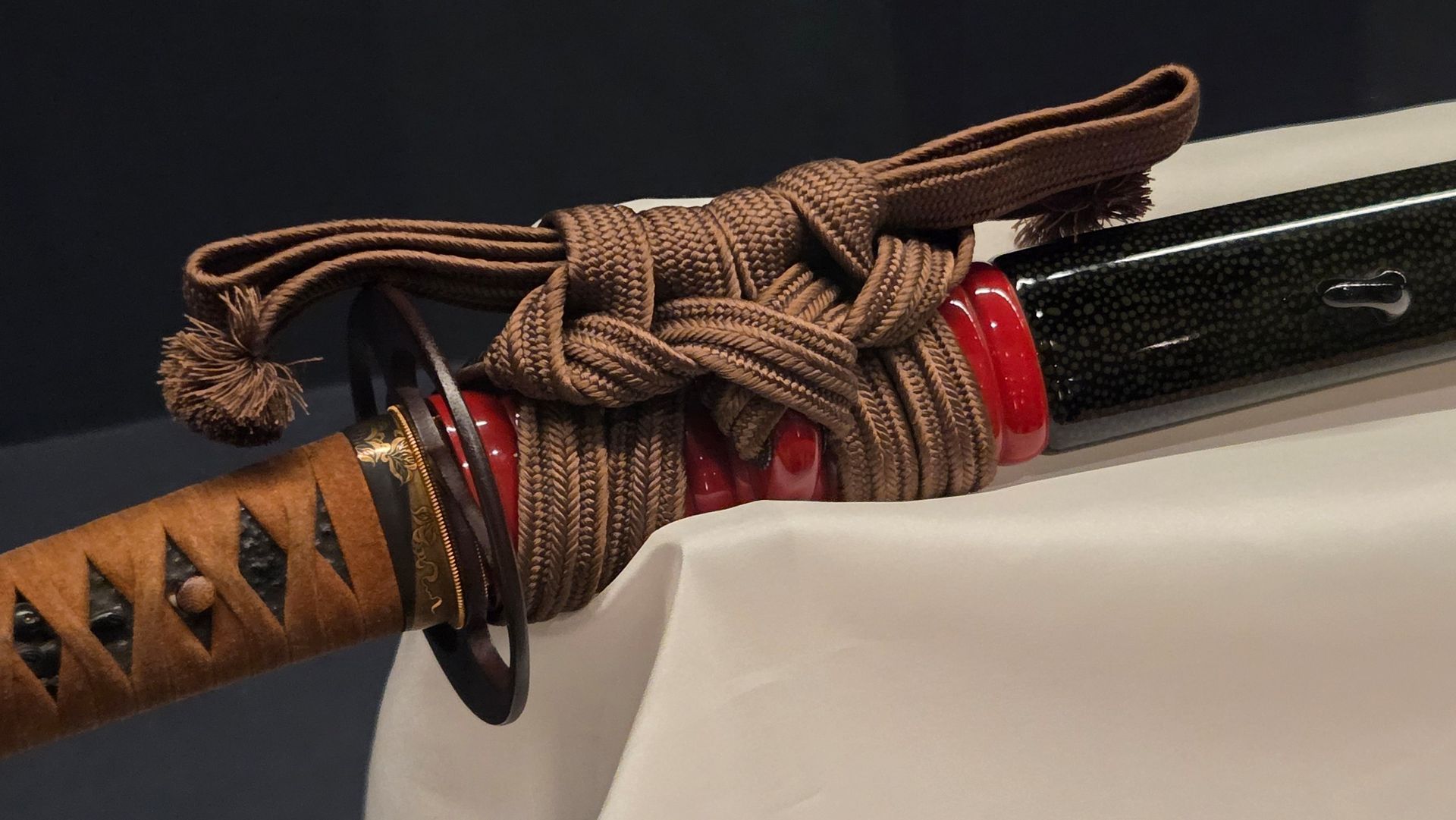
Centuries of mythology building up around the idea that your swords were cursed will tend to do that to a guy.
Vanillaware's Muramasa: Revenant Blades, at least, isn't afraid to lean into the legacy. The 2D action game is so in love with swords it's got 108 of them, and it turns the superstition that Muramasa's swords had to taste blood once unsheathed into a simple but enticing mechanic: Each comes with a unique skill, which can be equipped on another sword only after it's had its fill of bloodshed.
"There's definitely this reputation that the swords of Muramasa are cursed, but what that means is they have power," says director Wataru Nakanishi. "In this game Muramasa is an important character and will create these very powerful swords, but in turn [the protagonists] must collect souls for him, so they have this cooperative relationship based around this dark situation."
In a way Revenant Blades is lifting a curse of its own: 17 years after the game was first released on the Nintendo Wii as Muramasa: The Demon Blade, it's somehow the first release from Vanillaware to make it to PC. The Japanese studio followed Muramasa with more nuanced games, like 2019's acclaimed 13 Sentinels: Aegis Rim and 2024 tactics RPG Unicorn Overlord, but after playing Muramasa on PC I can see why the studio started here. I remember a hack-and-slash with art so lavish seeming novel back in 2009, and somehow that's just as true today.

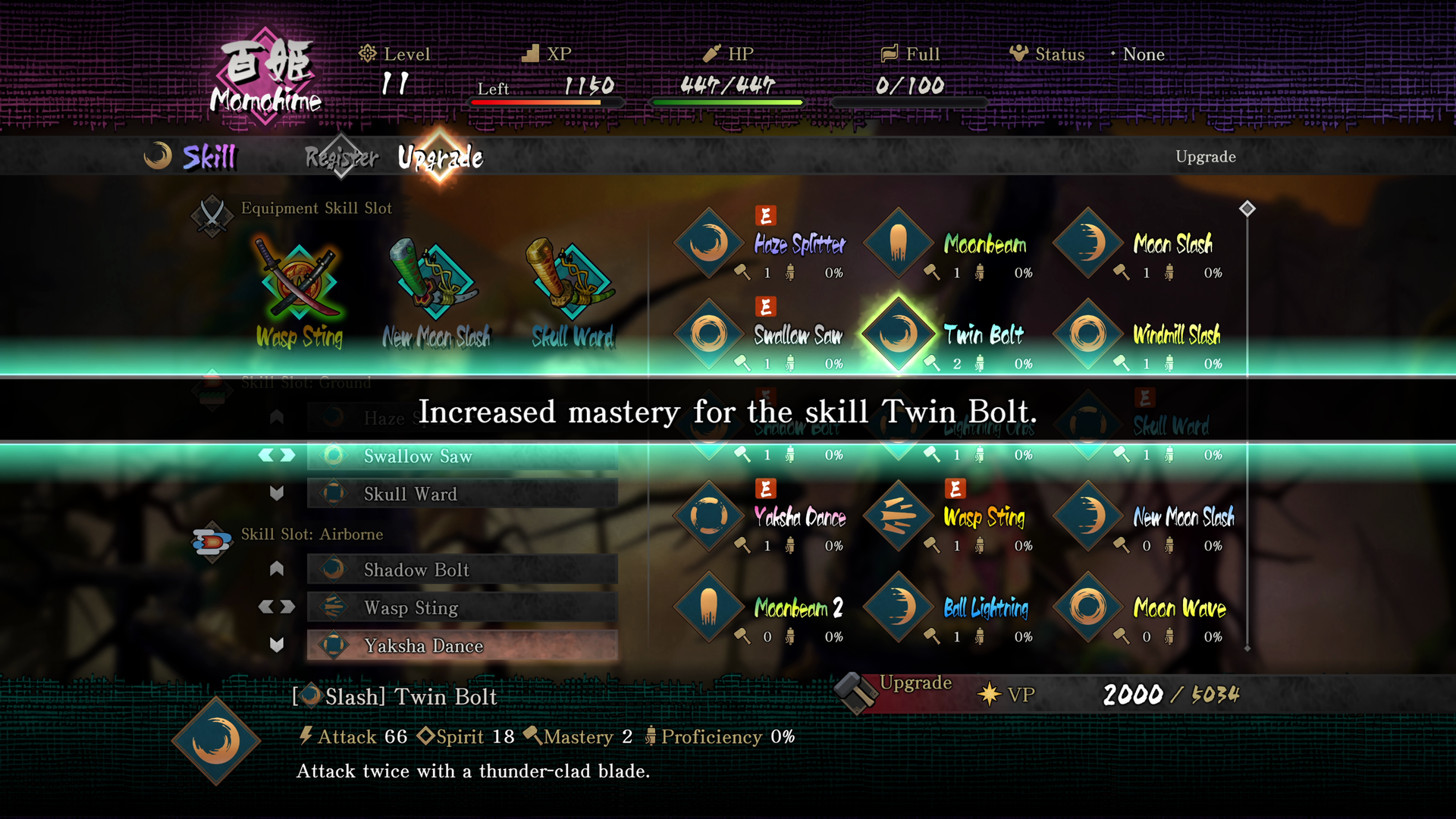
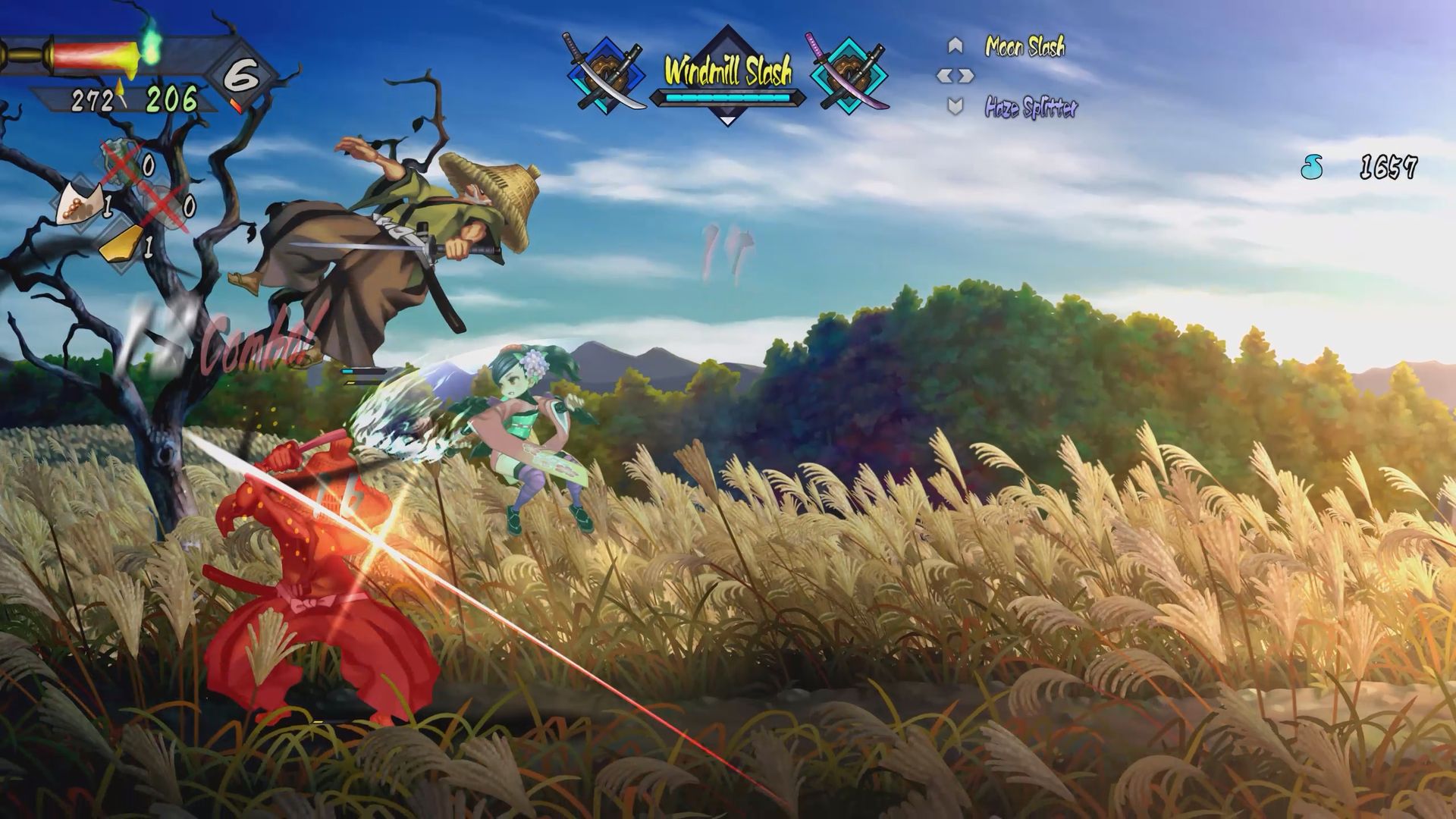
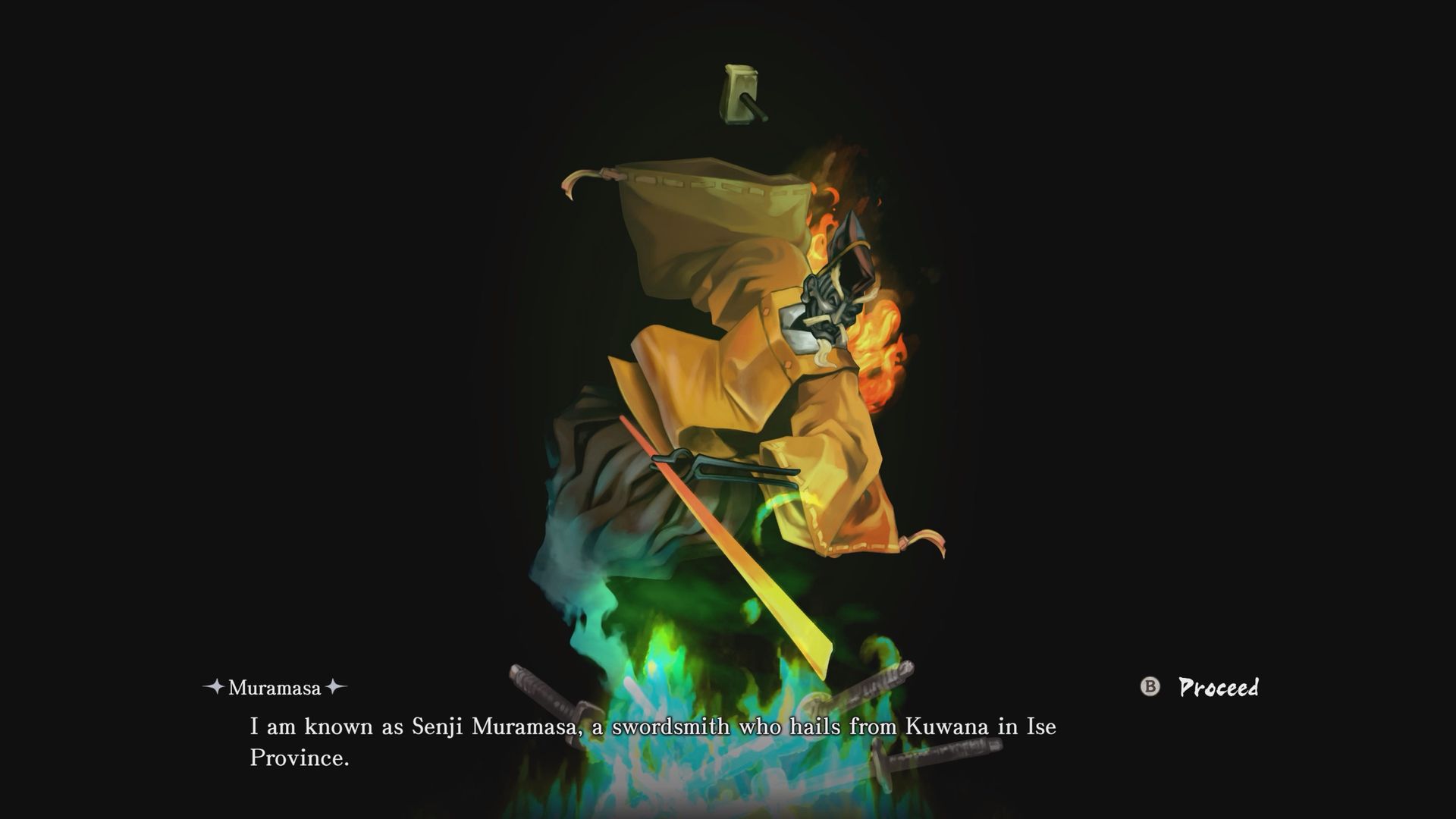
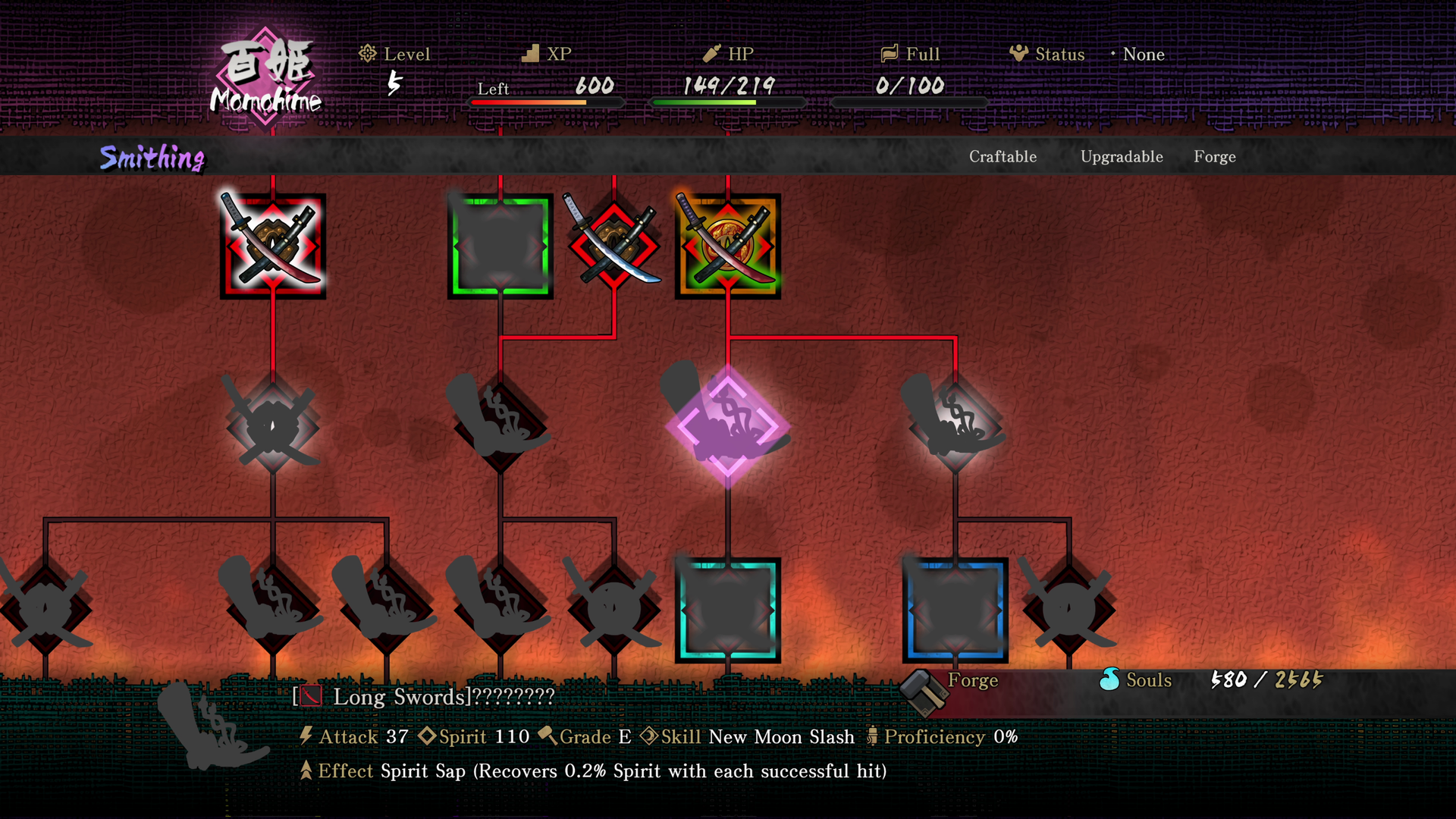

The painterly art has a timeless quality to it, though that's something of an illusion. "It was a lot of work, and it was very difficult," Nakanishi said, laughing. "We had some of the assets, but not others. For those we had to pull them from the game, and then artists individually by hand had to touch them up and recreate them to make something appropriate for the HD release. But you know, through that arduous hand-drawn process, we were able to create this warm and colorful art that we think people will be happy to see."
Revenant Blades is also not the simplistic game I remember. The skill system for all 108 blades is new, allowing me to equip three ground and three air abilities to a trio of blades I could have equipped (and swap between) at any one time. That made for a dizzying number of special moves to keep in mind, though executing them is as simple as tapping a button and a direction.
On the harder difficulty enemies now come streaming onto the screen in daunting numbers, and with more health to compensate for your improved arsenal. I learned the hard way not to play too defensively: Blocking a few attacks would wear down my sword until it snapped, leaving me open to a quick death. Survival demands fluid strings of combos, flitting between swords to keep them from breaking, chaining a launcher skill into a rapid series of slashes that can pummel a whole gang of ninja at once.
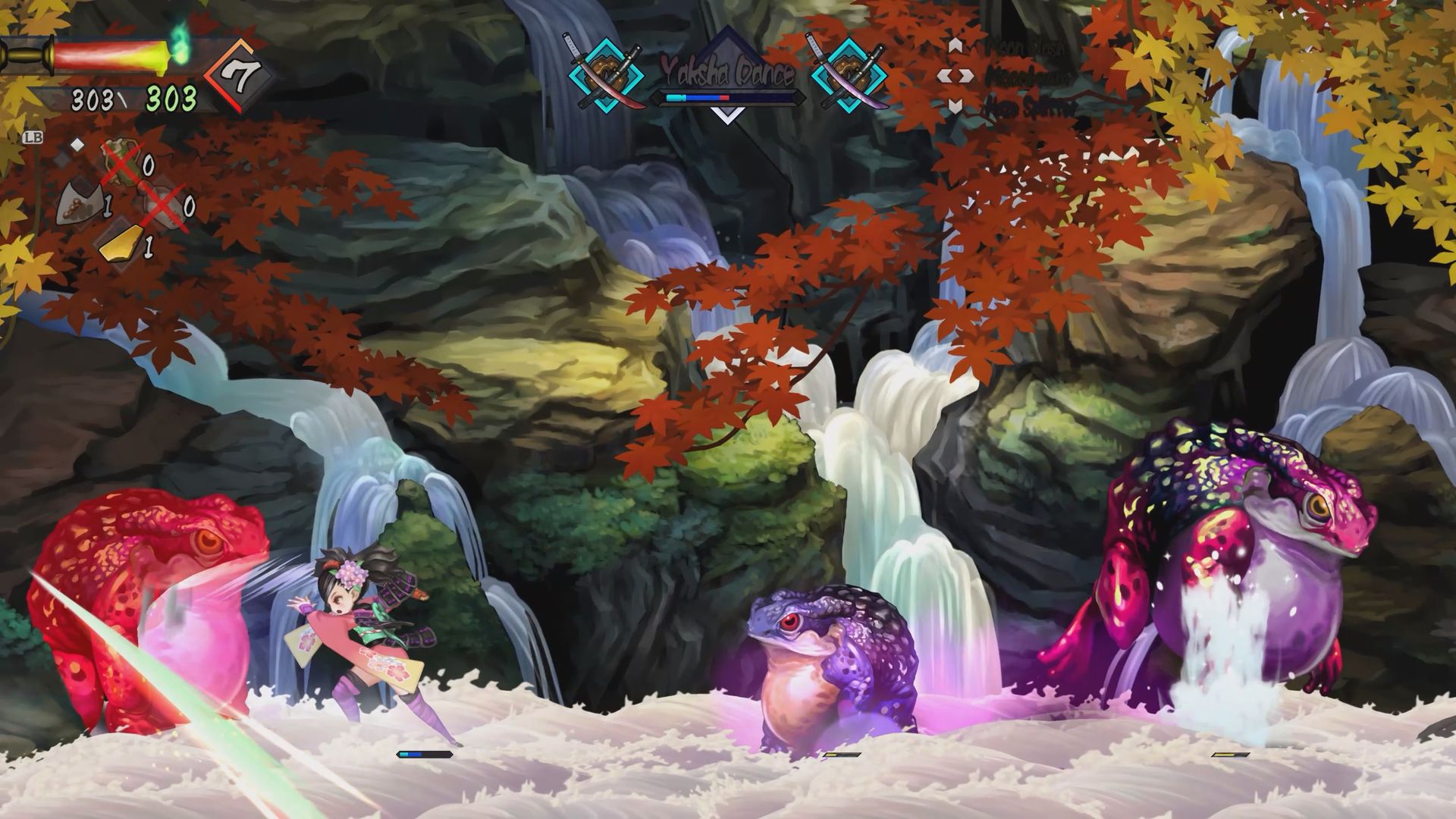
Or toads. I walked underneath a waterfall, not realizing I was underleveled for that bit of Muramasa's freely explorable map, and got absolutely embarrassed by a family of poison-spitting toads. Way scarier than the guys with shurikens and bombs.
In the original game enemies scaled with you as you leveled up, but Vanillaware scrapped that for Revenant Blades. Enemies in different areas now have fixed levels; you'll be able to steamroll the ones that are weaker than you, but depending on the path you take you might run into fights that send you scampering away unless you're really good.
Because you could previously only use a single skill that was locked to the single katana you had in-hand at any given moment, Nakanishi says players naturally gravitated to the most powerful late-game blades. "It kind of limited the scope of the gameplay," he says, but now that you can equip skills independently, "players have access to so many more skills and playstyles."
"Using the skills Celestial Slash and Flame Barrage, you can knock people into the air with fire, then jump up and use the aerial skill to knock them back to the ground. That kind of combination wasn't really something you could do with the more limited skill system."
In addition to possessed princess Momohime who I played as for the hour-long demo, Revenant Blades piles on a range of playable characters first added in a 2013 Vita re-release, each with their own stories. It's now a deceptively beefy game, and the skill system feels like the key it needed to unlock its full potential. I can't imagine a better fit for the Steam Deck OLED, where its vivid backgrounds will threaten to tear the eyes away from the action for the three seconds it'll take to wind up dead.
If Muramasa: Revenant Blades is the hit on PC it deserves to be, perhaps it will manage to dispel the myth that PC ports are as taboo in the halls of Vanillaware as the swordsmith's weapons have become over the centuries. Could more follow in its wake?
"We currently don't have any specific plans of that nature, but we would love to see Muramasa be successful enough that people start to ask about that kind of thing," Nakanishi says.
2026 games: All the upcoming games
Best PC games: Our all-time favorites
Free PC games: Freebie fest
Best FPS games: Finest gunplay
Best RPGs: Grand adventures
Best co-op games: Better together
Ryan Palmer vor seinem Champions-Debüt: „Hammock Beach hat einen besonderen Platz in meinem Herzen“

Ryan Palmer gab bei der Constellation Furyk & Friends sein Debüt auf der PGA Tour Champions. Bei Hammock Beach hatte er 2008 auf dem Conservatory Course gewonnen.
Ein paar Wochen nach seinem 50. Geburtstag debütierte Ryan Palmer bei der Constellation Furyk & Friends presented by Circle K auf der PGA Tour Champions. Am Hammock Beach Resort hatte er 2008 auf dem Conservatory Course gewonnen – fast zwei Jahrzehnte zuvor. Vor dem Turnier holte die Pressekonferenz am 7. Oktober vor allem Erinnerungen an diesen Tag zurück.
„Ich erinnere mich bis heute, wie ich auf der Schlussstrecke am letzten Loch zugeschlagen und damit einen Sechser-Gleichstand aufgelöst habe", sagte Palmer. Am Tag der Pressekonferenz habe ihn ein Mann auf diesen Sieg angesprochen. „Hammock Beach hat einen besonderen Platz in meinem Herzen."
Gewitter, Dunkelheit und kaum Zuschauer
Ein Journalist erinnerte daran, dass der Sieg damals womöglich vor so wenigen Fans wie noch nie auf der PGA Tour gefallen war. Wegen eines Gewitters waren die Zuschauer vom Platz geschickt und danach nicht mehr hereingelassen worden. Palmer beschrieb den Finaltag als ständiges Unterbrechen und Weiterspielen in Regen und Wind. Seine Frau und sein Sohn seien vor Ort gewesen. Gespielt wurde bis in die Dunkelheit. Als der letzte Konkurrent noch auf dem Platz war, saß Palmer schon am Scoring-Tisch. Dort habe ihm ein Freund gesagt, dass der Rivale seinen Putt verpasst und er gewonnen habe.
Der entscheidende Birdie-Putt auf der 18 war 10 Fuß lang (etwa 3,05 Meter). Seit Jahresbeginn hatte Palmer eine Übung mit Putts aus drei, sechs, neun und zwölf Fuß gemacht. „Ich weiß noch, wie ich mir gesagt habe: Das ist der Geld-Putt, den du das ganze Jahr auf dem Übungsgrün geschlagen hast", erzählte er. Der Ball fiel über die Seite ins Loch. Ein Foto davon, auf dem der Ball halb im Loch steckt, hat Palmer zu Hause.
„Jede Woche ein Putting-Wettbewerb"
Bernhard Langer hatte Rookies geraten, schon in der ersten Runde Vollgas zu geben. Darauf angesprochen, sah Palmer keine große Umstellung. Auf den Touren der vergangenen Jahre gelte: „Wenn du nicht mindestens eine 68 spielst, überlebst du nicht." Um auf der Champions Tour zu gewinnen, brauche man über drei Runden 15 bis 20 unter Par. Den Platz beschrieb er nach der Proberunde auf den vorderen Neun als sehr weich. Kein Ball sei ausgerollt, auf den Grüns hätten sich die Bälle eingegraben.
Unter besonderen Erwartungsdruck setze er sich nicht. Bis zu den Playoffs blieben nur zwei Wochen. Ob er es bis nach St. Louis schaffe oder nicht, er wolle vor allem gute Runden spielen und sich auf das nächste Jahr vorbereiten. Seine Länge werde ihm auf den etwas kürzeren Plätzen helfen. Woran er arbeiten müsse, wisse er aber genau: vor allem am Spiel mit den Wedges und am Putten. „Es ist jede Woche ein Putting-Wettbewerb."
Palmer sagte, er sei dankbar, dass er so lange auf hohem Niveau habe spielen können. Im vergangenen Jahr nutzte er seine Exemption über das Karriere-Preisgeld, dazu kamen Starts auf der Korn Ferry Tour und fünf- oder sechsmal auf der DP World Tour. Das Golf sei nicht sehr gut gewesen, aber er sei im Rhythmus geblieben. Er kenne Kollegen, die in den Jahren vor dem 50. nicht mehr gespielt hätten und dann in ihrer ersten Champions-Saison Probleme gehabt hätten. Die Senioren-Turniere habe er in diesem Jahr öfter im Fernsehen verfolgt.
„Auf meine Art"
Zurückblickend sagte Palmer, er sei stolz auf seine Karriere und vor allem darauf, wie er sie gestaltet habe. „Ich bin nie Verträgen hinterhergelaufen, nie Ausrüsterdeals und habe nie meinen Schwung umgestellt, nur weil ich jemand anderem zugeschaut habe", sagte er. Er habe es immer auf seine Art gemacht („I did it my way"). Entscheidend sei gewesen, dass er gesund geblieben ist. Damit erklärte er auch sein jugendliches Aussehen: Einen Trick gebe es nicht.
Auf die Veränderungen auf der PGA Tour blickte er mit gemischten Gefühlen. Ein Journalist wies darauf hin, dass es drei der Turniere, die Palmer gewonnen hat, nicht mehr gibt. Palmer sprach von einer seltsamen Zeit für den Golfsport. Seiner Meinung nach sei das alte System nie wirklich kaputt gewesen. Commissioner Brian Rolapp mache aber einen guten Job. Wie sich alles bis 2028 entwickle, sei schwer vorherzusagen.
Auch im Cart wollte Palmer möglichst wenig sitzen. Er werde so viel wie möglich zu Fuß gehen, um den Rücken locker zu halten. Bei Hammock Beach wollte er aber den Shuttle nutzen: „Warum nicht."
The post Ryan Palmer vor seinem Champions-Debüt: „Hammock Beach hat einen besonderen Platz in meinem Herzen“ appeared first on Golf Post.